
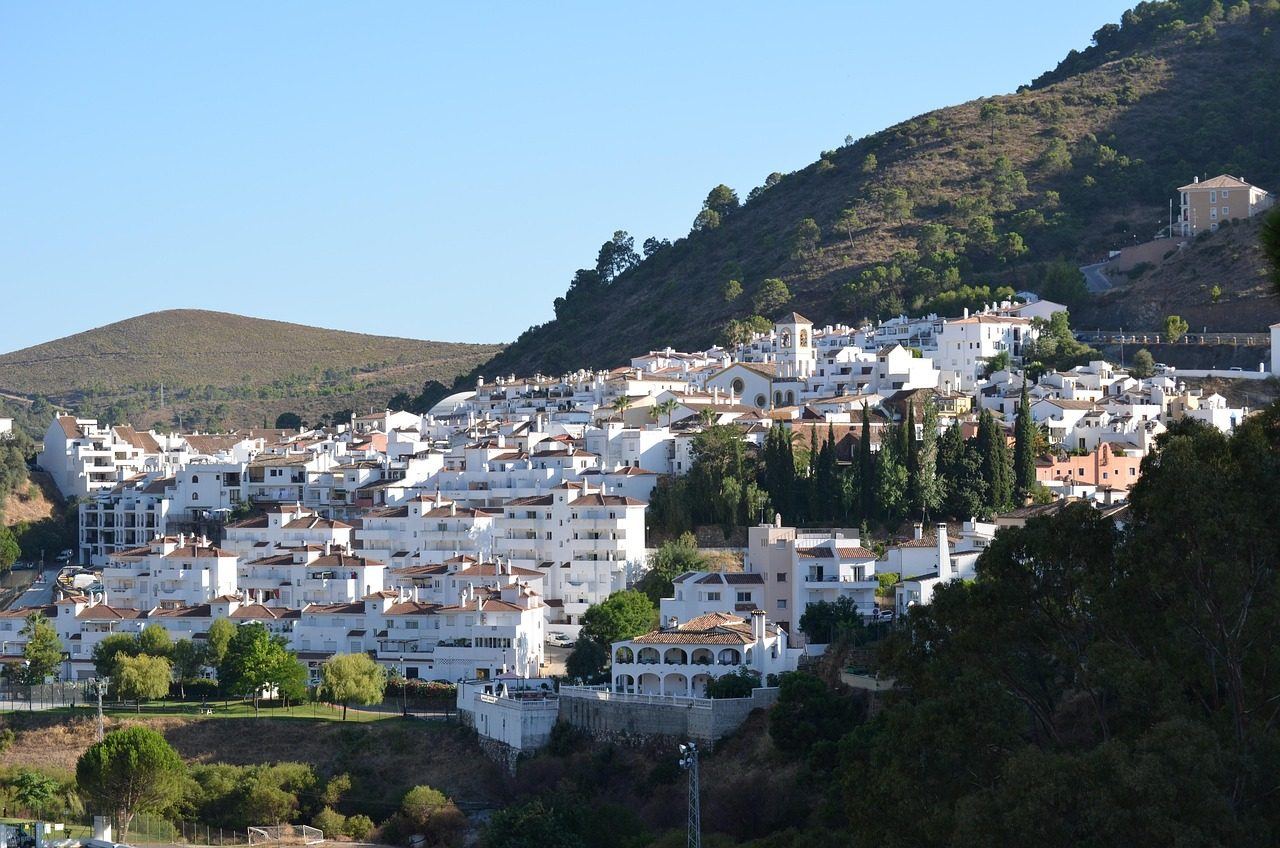
Coín sits in the heart of the Guadalhorce, a valley that has grown citrus and olives for centuries, and the rhythm of that agricultural year is one of the most underused booking drivers an inland owner has. While coastal towns empty out as the beach season ends, the valley is entering one of its most characterful periods: the autumn and winter harvest, when the orange and lemon groves come into fruit and the olive picking gets under way. For a particular and growing kind of guest — the one looking for a slower, more rooted experience than a seafront apartment can offer — that season is the whole appeal. Owners who understand it can fill the months that coastal hosts spend staring at an empty calendar.
This is not about turning a rental property into a working farm. It is about reading the demand that the valley's own calendar creates, and positioning a Coín property to catch the visitor who is coming inland precisely because it is not the coast.
A season that runs opposite to the beach
The single most valuable thing about the harvest-season guest is the timing. They come in the autumn and through the winter, when the weather inland is mild and clear, the groves are at their most alive, and the coastal short-let market is in its quietest stretch. The demand the valley generates in those months is built on the experience of the place rather than on sea and sun, which makes it far less weather-dependent than a beach booking and far more durable through the off-season.
For a Coín owner, this is the answer to the inland seasonality question. A property positioned for the slow-tourism and harvest-season guest is not competing with the coast at all; it is serving a different person at a different time of year, and that complementary calendar is exactly what makes an inland property worth running. The town's stock of around a hundred registered holiday lets is small enough that there is real room for a well-positioned property to stand out to this guest rather than disappear into a saturated pile. This is the kind of demand-reading that sits at the centre of how we approach inland management services.
The guest is buying the valley, not a checklist
The visitor who chooses Coín in November is a specific person, and knowing them is what makes the positioning work. They tend to want quiet, space, and a sense of the real Andalucía rather than a resort version of it. They are drawn to the agricultural landscape, the citrus and olive groves, the casco histórico with its old streets around the town's historic churches, the weekly market, the long lunches and the slower pace. Many are escaping a Northern European winter for somewhere warm but authentic; some are remote workers wanting a season away from the city; some are simply travellers who have had enough of the coast and want the interior.
What they are not looking for is a beach-holiday product moved inland. They want the things the valley genuinely offers — the views over the groves, the connection to the rural landscape, the access to the wider interior for day trips to the likes of the Caminito del Rey, Ronda or Antequera, the calm. A property pitched on those qualities speaks directly to the person already looking for them, while a property that apologises for not being on the coast attracts nobody. Setting up a Coín property to read as the rooted, valley-grounded retreat it can be is the heart of the job.
Slow tourism is a longer, gentler booking
The harvest-and-experience guest does not behave like a beach tourist, and that is good news for an owner. These visitors tend to stay longer — a week easily becomes a fortnight, and an autumn escape can stretch into a month — because the appeal is immersion rather than a quick hit of sun. Longer stays mean fewer changeovers, lower turnover costs, and a gentler operational load than a coastal unit churning through three-night summer bookings.
They also tend to be easier guests in the everyday sense: people who have chosen quiet and slowness are usually looking to settle in rather than party, and they treat a property they have come to love with care. The combination of longer bookings, lower wear and off-season timing makes the slow-tourism guest one of the most attractive an inland owner can build a calendar around. An honest income picture for a Coín property leans on exactly this kind of steady, longer, shoulder-and-winter booking rather than on a summer spike the town does not really have.
Pricing a market without coastal comparables
Pricing inland is its own discipline, because there is no dense bank of near-identical listings to anchor against the way there is on the seafront. The temptation is either to match coastal nightly rates the valley will not bear, or to undersell a characterful property out of caution. Neither serves the owner. The right approach reads the inland market on its own terms — the longer harvest-season stay, the slow-tourism premium that authenticity commands, the steadier off-season demand — and prices to hold occupancy across the quieter half of the year rather than chasing a peak that belongs to the coast. We have written before about the trap of pricing rural Coín against the coast; the harvest season is one more reason the valley needs its own pricing logic.
The rural-property realities still apply
A great many of the properties that suit this guest are rural fincas and country houses, and those come with their own legal and operational texture that an owner must settle before building a letting plan. The regularisation status of a rural property, the DAFO questions that attach to fincas in this valley, and the practical matters of water and access are all part of getting a country property genuinely lettable. None of it is a reason to avoid the rural product — it is the rural product that the harvest-season guest most wants — but it does need handling properly from the start, alongside the licensing basics. Getting the legal foundation right is what turns a charming finca into a property that can actually take bookings without trouble.
The inland base for exploring the interior
The harvest-season guest rarely comes only to sit among the groves; part of what makes the valley work as a destination is its position as a base for the wider interior, and an owner who frames the property that way reaches a guest looking for more than a single quiet week. Coín sits within reach of some of the most compelling country in the province — the dramatic walkway of the Caminito del Rey, the old towns of Ronda and Antequera, the mountain villages and reservoirs of the interior — and a guest using the valley as a touring base will happily stay longer to fit it all in. The property becomes the calm home they return to each evening rather than the whole of the trip.
This complements the harvest and slow-tourism positioning rather than competing with it. The same autumn-and-winter guest who is drawn to the citrus and olive season, the mild inland weather and the authenticity of valley life is often exactly the person who wants to spend their days exploring the interior and their evenings somewhere peaceful and rooted. Selling the property as both a retreat and a base widens its appeal without diluting it, and it supports the longer bookings that make inland letting worthwhile.
It also helps an owner think clearly about who the property is genuinely for, which is the foundation of pricing and marketing it well. A finca or country house positioned for the explorer-and-slow-tourism guest is a different proposition from one chasing a coastal overflow crowd, and the former is both more durable and better suited to the valley's real strengths. Reading the property honestly against that guest, and against the inland calendar rather than the coast's, is the kind of judgement that turns an inland property from a hard-to-let curiosity into a steady performer. The town's small stock of registered lets means there is genuine room for a well-positioned property to be the obvious choice for this guest rather than one of hundreds.
Read the valley's own calendar
Coín's quiet strength is that its best season is the coast's weakest, and the harvest calendar is one of the clearest expressions of that. The owner who positions a property for the citrus-and-olive autumn and the slow-tourism guest is reaching demand that exists, that runs through the off-season, and that rewards exactly the authenticity the valley has in abundance. It is a smaller and more specific market than the beach, but it is a real one, and it is there for any inland owner willing to run their property as part of the valley rather than as a coastal castaway.
If you own a property in or around Coín and want to understand how to position it for the harvest-season and slow-tourism guest, and what that could realistically earn across the inland year, we know this valley and its market. Get in touch through our owners' page and we will give you an honest, specific read.