
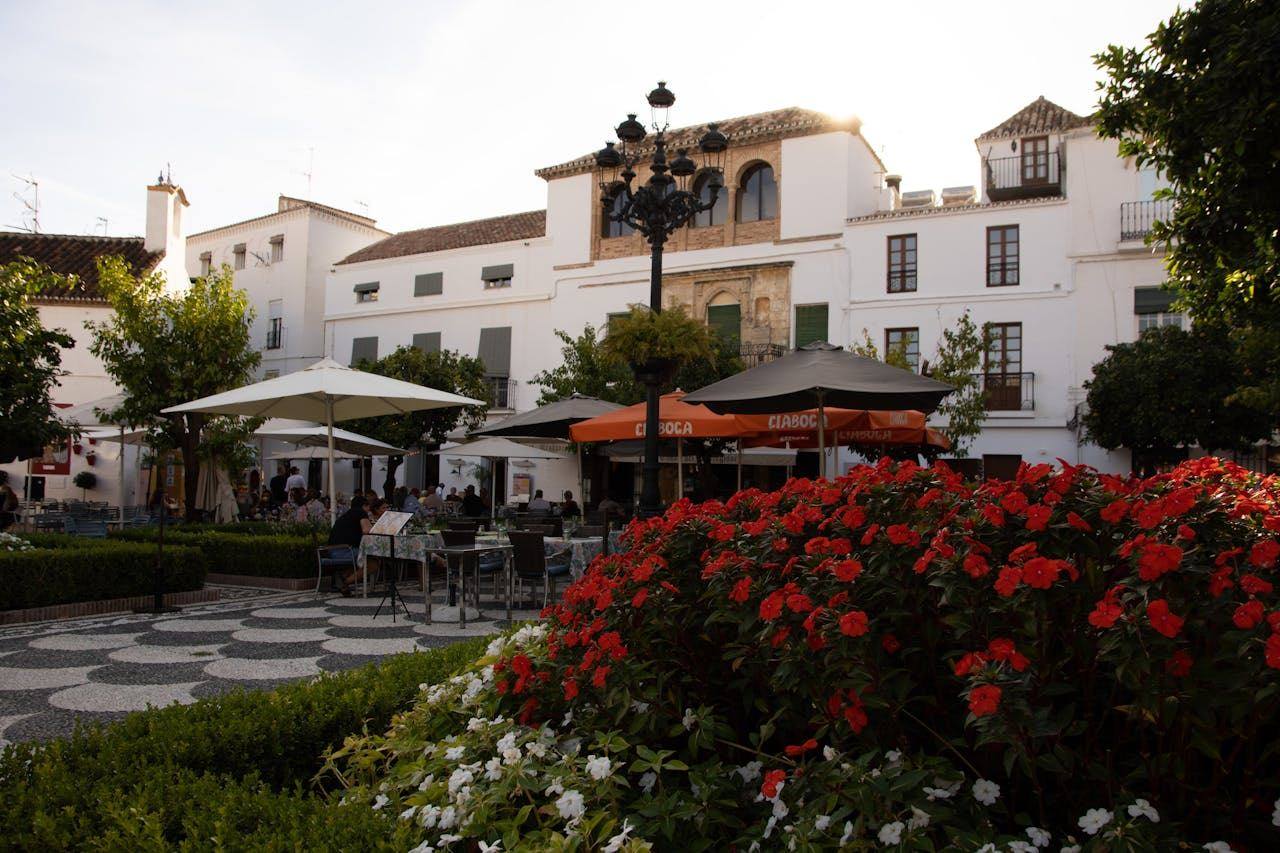
The bookings premium that a Coín finca commands over a generic Costa del Sol apartment comes substantially from architectural character — the thick stone walls, the old wood beams, the original tile floors, the vaulted ceilings, the courtyard layouts. Furnishing decisions can either preserve and amplify this character or quietly erode it. Most fincas we onboard for management have furnishing problems that fall into one of two categories: aggressive modernisation that has stripped out the character that drives the booking, or original-condition fittings that don't actually work for short-let guest expectations. The right approach is neither — it's selective preservation of the character with practical updates where the original fittings genuinely fail short-let standards.
What guests actually book a Coín finca for
Reading three years of reviews on Coín finca rentals produces a consistent picture of what guests value. The character elements appear repeatedly — the beams, the stone walls, the thick walls keeping the property cool in summer, the original-tile floors. The complaints — when they appear — are about specific operational failures: the kitchen too small or under-equipped for cooking three meals a day, the bathroom plumbing struggling with high-occupancy use, the heating inadequate in winter, the WiFi not reaching the bedroom in the far wing.
This pattern tells the furnishing strategy directly: keep the visible character, fix the operational failures, don't retrofit modernity into the character spaces.
What to preserve
The character elements that drive Coín finca bookings should be preserved in their original form wherever structurally possible:
Original stone or rendered walls. Painting over with modern colours kills the character. If walls need refresh, lime-wash in traditional colours preserves the look while improving the surface.
Wood beams and ceilings. Treatment for woodworm and structural integrity is necessary; varnishing to a high-gloss finish destroys the period look. Matt or satin oil finishes preserve the aesthetic.
Original tile floors. Most Coín fincas have hand-made cement or terracotta tile floors. They need cleaning and grout work; they should not be replaced with modern porcelain tile. Original tile is unrepeatable; modern replacement reads as anywhere in Spain.
Courtyard layouts and patios. Internal courtyards are central to many Coín finca designs and should be furnished as serious outdoor living spaces, not afterthoughts. Quality outdoor furniture, shade infrastructure, and lighting that works at night.
Vaulted ceilings and original doors. Both are character-defining and almost always preservable. Original carved wood doors should be repaired rather than replaced.
What to update
The operational failures that produce review damage should be addressed practically, with respect for the building's character:
Kitchen. Coín fincas typically have small original kitchens designed for residential rather than holiday-let use. Updating without expanding usually means smarter use of existing space — induction hob, full-size oven, dishwasher, espresso machine, well-organised storage. Expanding requires careful design work to maintain coherence with the rest of the property.
Bathrooms. Original bathrooms are usually too small and under-equipped for short-let. Bathroom updates should use traditional materials (cement tiles, traditional fixtures, brass or aged-bronze hardware) rather than contemporary glass-and-chrome, which reads jarringly against the property's character.
Heating. Most Coín fincas have inadequate heating for winter use. Wood-burning stoves are character-appropriate and effective; underfloor heating retrofitted into existing spaces is operationally excellent but expensive; radiator systems are the typical compromise. The choice depends on winter occupancy strategy — properties targeting winter long-stays need genuinely warm heating; properties used summer-only can rely on supplementary electric heating only.
WiFi infrastructure. Thick stone walls eat WiFi signal. Mesh systems with multiple access points are essential for fincas larger than a typical apartment footprint. Properties without proper mesh coverage lose remote-worker bookings consistently.
What to skip
Several things that get added to fincas in modernisation projects don't help and frequently hurt:
LED downlights everywhere. Modern downlight grids in beamed ceilings look wrong. Period-appropriate lighting (wall-mounted lamps, table lamps, restored original fixtures) is more work to plan but reads correctly against the architecture.
Open-plan kitchen-living conversions. Original Coín fincas almost universally have closed kitchens. Opening them up creates a space that's neither historically authentic nor genuinely contemporary, and the acoustic and thermal consequences for short-let use are often negative.
Glass shower screens in bathrooms. Practical, but visually wrong against original tile and traditional materials. Curtain-and-rail solutions or shower-room layouts work better.
Chrome bathroom fixtures. Read jarringly against traditional finishes. Brass, bronze, oil-rubbed iron all work better.
Modern art on traditional walls. Often suggested by interior designers; almost always undermines the character. Period prints, traditional Andalusian art, or empty walls all work better.
The renovation budget question
Furnishing or renovating a Coín finca for short-let typically costs €18,000-€45,000 for a 3-bed property in reasonable starting condition. Substantially less for properties already in good furnished condition needing only updates; substantially more for properties requiring structural work or full kitchen/bathroom replacement.
The economic case for the work is straightforward in most cases. A finca generating €18,000-€26,000 annually as an unfurnished or poorly-furnished property typically generates €30,000-€45,000 once properly fitted out for the short-let segment. Payback periods of 18-30 months are typical, with the renovated property continuing to generate the higher rate indefinitely.
What this means for owners
If you own a Coín finca and the furnishing was last refreshed for residential use, the property is almost certainly underperforming its rental potential. The right intervention is selective — preserving character, updating operational failures — not whole-property modernisation that destroys the booking-driving features.
We're happy to walk through the furnishing assessment for a specific Coín finca at the discovery call, including the renovation budget and timeline.
Personally reviewed and approved by Maarten Glaser — owner of Glaser Group: real estate, rental management and investments.