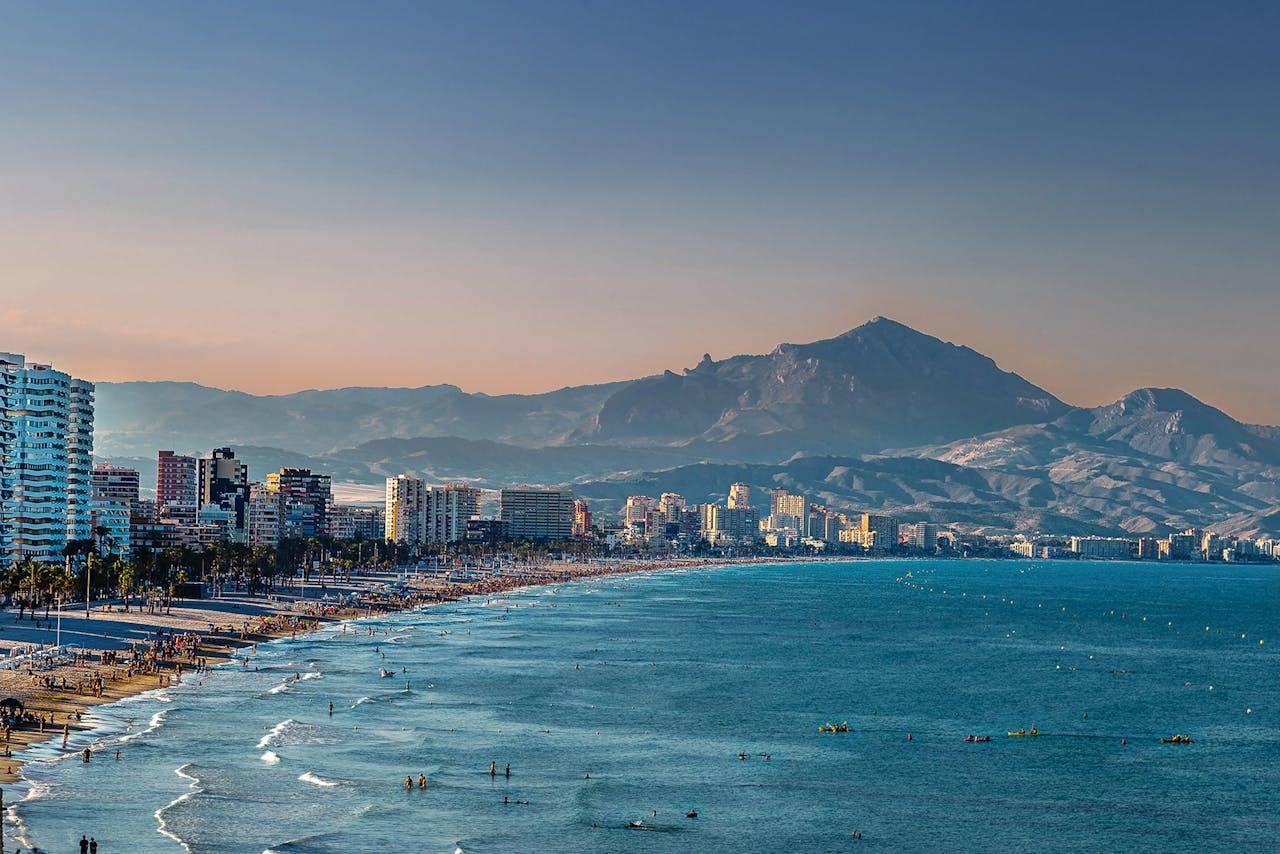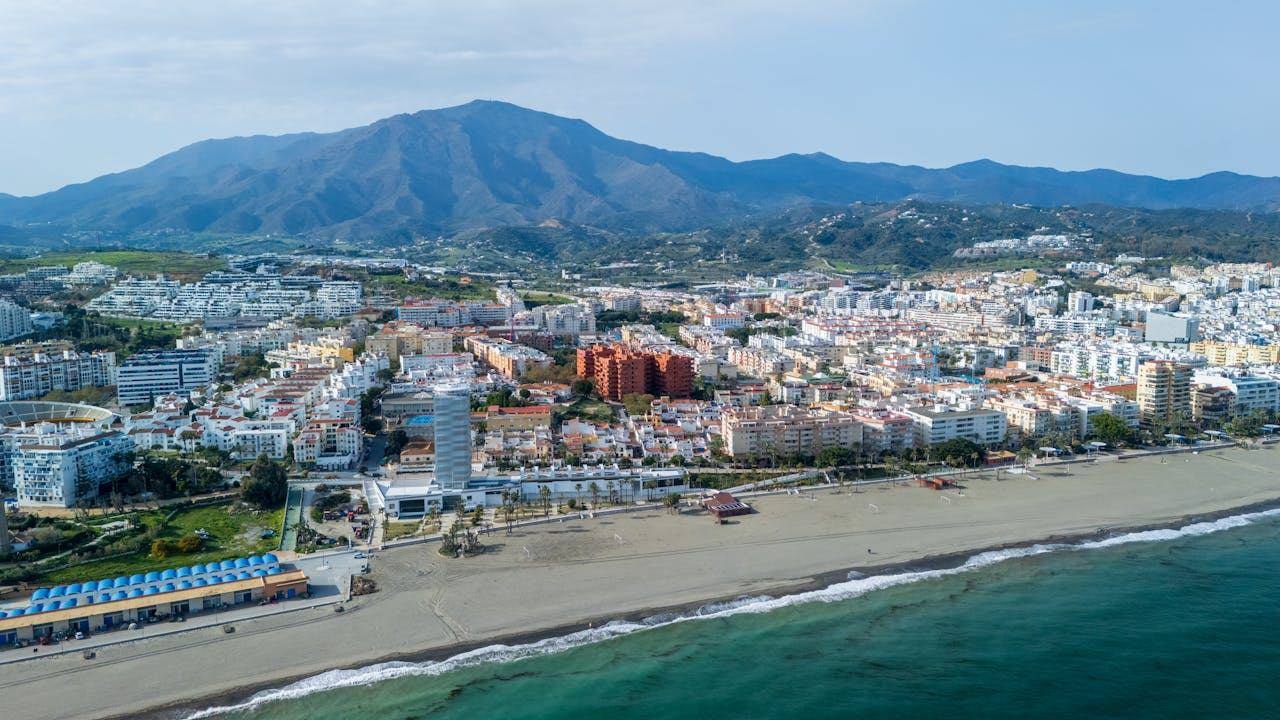
Coín's geography places it within a 30-minute drive of an unusual concentration of cycling and hiking destinations: the Sierra de las Nieves natural park, the Caminito del Rey trailheads, the Río Verde gorges, the Sierra de Mijas trail network and several established road-cycling routes that loop through the Guadalhorce valley. The outdoor-tourism segment that uses these destinations has different accommodation needs than holiday or family guests, and it produces a reliable shoulder-season demand layer that most Coín rental properties don't capture because they're not configured for it.
Who actually books outdoor stays in Coín
The segment breaks into roughly three groups:
Road cyclists — typically Northern European clubs and independent travellers visiting in March-May and September-November to train in the Sierra de las Nieves and the inland climbs. Average group size 3-6 cyclists, average stay 5-9 nights, group rotation typically over multi-week periods as different sub-groups arrive.
Trail runners and hikers — predominantly UK, Dutch, German and Scandinavian individuals or pairs targeting the Caminito del Rey, the Sierra de las Nieves crossings, and increasingly the GR-249 long-distance trail. Stay length more variable, 3-7 nights typical.
Mountain bikers — smaller segment focused on the Sierra de las Nieves and the technical descents. Often combine with road cycling. Tend to bring bikes that need secure storage.
All three groups overlap on three needs that are specific to outdoor tourism: secure bike or equipment storage, bike-friendly logistics (the property should accept muddy boots and bikes with grace), and accurate practical information about local routes and facilities.
What outdoor-tourism guests do not want
The segment is reliably uninterested in features that holiday guests prioritise. Pool quality matters less; a working garden hose to wash bikes matters more. Living-room aesthetic matters less; a robust laundry setup that can handle daily kit washing matters more. Decorative furniture matters less; a sturdy table where bike maintenance can happen matters more.
The mismatch between holiday-let listing optimisation and outdoor-tourism guest needs is why most Coín properties miss the segment. A listing that leads with "tranquil pool retreat" and shows aesthetic interior photography reads to outdoor-tourism searchers as "this isn't for us" — even if the property would actually serve them well. The segment self-selects out before the booking decision.
The listing changes that capture the segment
A Coín property positioned for the outdoor-tourism segment needs three structural listing changes:
Equipment storage as the first feature. Secure indoor or covered storage for 6 bikes (or equivalent for hiking equipment) should be in the listing title or first description sentence. Photos should include the storage solution, not hide it.
Practical route information. The listing description should include specific reference to the Sierra de las Nieves park entry points, the Caminito del Rey access logistics, the road-cycling routes from the property's specific location. This is information that outdoor-tourism searchers genuinely use to evaluate properties; it's not marketing fluff.
Operational logistics. Laundry capacity, drying space (essential for hiking gear that's been wet on the trail), washing area for muddy bikes or boots, secure car parking for the bike-rack-equipped vehicles outdoor groups arrive in. These are mostly already present in Coín properties; they just need to be explicitly mentioned.
Calendar dynamics
The outdoor-tourism segment in Coín peaks in March-May (post-winter, pre-summer-heat) and September-November (post-summer, pre-winter-cold). These are exactly the windows where pure-holiday-let demand is softest in inland Costa del Sol — meaning the segment fills calendar gaps rather than competing for peak weeks.
The summer months are largely dead for outdoor tourism in Coín. The heat makes long-distance cycling and hiking uncomfortable to dangerous, and the segment goes elsewhere (typically northern Spain or higher-altitude alternatives). This is operationally convenient because it means the property can pivot to family-summer demand in July-August without competing strategies.
Pricing the segment
Outdoor-tourism guests are price-sensitive in a specific way: they compare nightly rate against camping or hostel alternatives more than against holiday-let alternatives. A Coín property charging €120/night to outdoor-tourism guests in October is competing against €40/night camping options that are genuinely viable for that segment.
The pricing answer is not to drop rates to camping levels — the segment will pay for genuine value-add (private property, secure storage, real beds, real shower, kitchen for self-catering on long stays) — but to position rates 15-25% below summer-family rates. A typical Coín 3-bed property running €145/night in July might run €105-€115/night for outdoor-tourism October bookings. The math works because the alternative is empty nights.
What we don't recommend
We don't recommend trying to capture the outdoor-tourism segment with a property that doesn't have the basic infrastructure (parking, storage, laundry capacity). The segment will book once, rate the property poorly because the operational fit is wrong, and the listing's review profile takes the hit. Better to acknowledge the property is configured for a different segment.
We also don't recommend capturing the segment by aggressive discounting alone. Properties listed at outdoor-tourism prices but configured for holiday guests deliver poor experiences and accumulate operational complaints.
What this means for owners
If you own a Coín property with parking, garden or terrace storage capacity and good laundry infrastructure — which is most Coín rural-finca and town-edge properties — the outdoor-tourism segment is a genuine shoulder-season opportunity. The listing changes are inexpensive and the calendar impact is meaningful.
We're happy to walk through the segment positioning for a specific Coín property at the discovery call, including the route information and the booking platforms where the segment actively searches.
Personally reviewed and approved by Maarten Glaser — owner of Glaser Group: real estate, rental management and investments.